Trump Fumbling Crypto Privacy?

View in Browser
Sponsor: Mantle — The Mantle Global Hackathon, running 10/22 to 12/31, invites devs & founders to design, build, and deploy scalable RWA and DeFi products on Mantle.

- 👨⚖️ Prosecutors Seek 12 Years Imprisonment for Do Kwon, Convicted Terra-Luna Fraudster. Kwon will be sentenced on December 11 in Manhattan federal court.
- 🔵 Base Launches Solana Bridge Using Chainlink CCIP. Base now supports Solana assets natively and lets Base tokens be used on Solana through a new Chainlink CCIP bridge.
- 🇹🇷 Turkish Fintech Paribu Expands Footprint with CoinMENA Acquisition. Paribu has acquired CoinMENA in a deal valued at up to $240M.
| Prices as of 4pm ET | 24hr | 7d |

|
Crypto $3.04T | ↘ 2.7% | ↘ 2.3% |

|
BTC $89,450 | ↘ 3.2% | ↘ 1.9% |

|
ETH $3,031 | ↘ 3.3% | ↘ 0.6% |
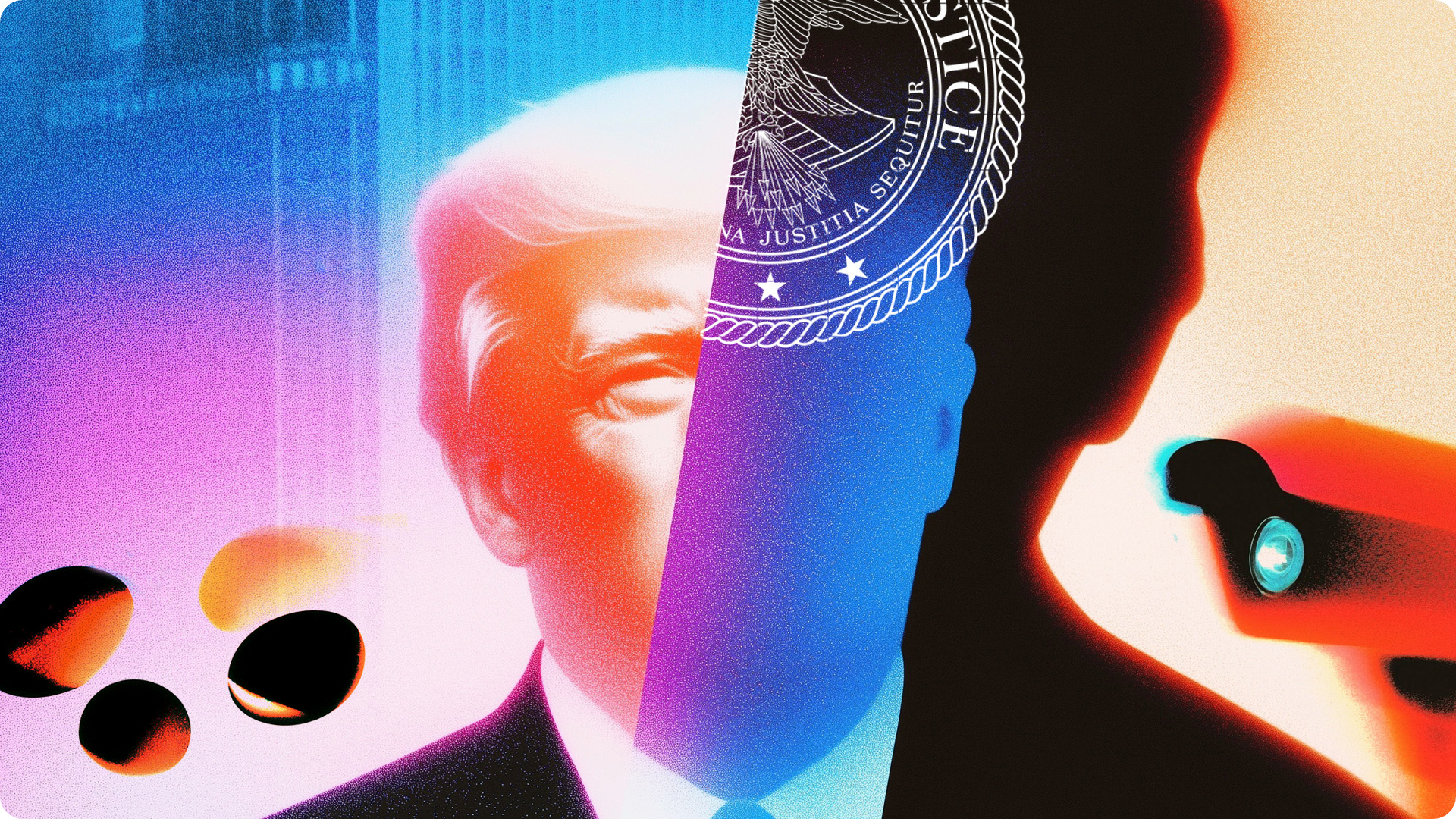
By almost any measure, the Trump Admin's second term has been the most crypto-friendly in American history.
The SEC has backed off its enforcement crusade. Crypto ETFs trade freely. The President himself has launched tokens, hosted industry dinners, and positioned the U.S. as the future home of digital assets.
When compared to the Biden era – where regulators treated the industry as a criminal enterprise waiting to be exposed – the shift has been dramatic.
 MacKenzie Sigalos
But there's a glaring asterisk on Trump's crypto legacy at this moment.
While Trump's DOJ disbanded its crypto enforcement team and dropped multiple cases against exchanges and protocols, prosecutions targeting crypto privacy developers continue unabated.
Let's dig into a couple recent examples:
Tornado Cash
While Trump's DOJ disbanded its crypto enforcement team and dropped multiple cases against crypto companies, Roman Storm's prosecution for creating Tornado Cash continues, even after the administration lifted sanctions on the protocol itself.
 Bankless Aug 6, 2025 • 1 min read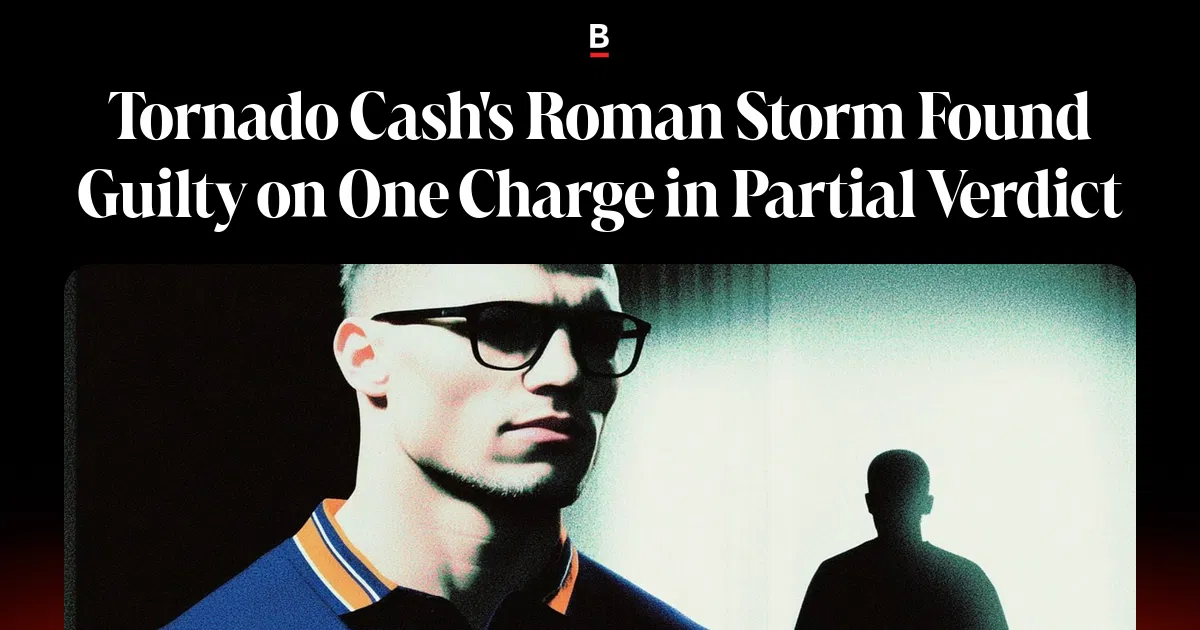
The contradiction creates an impossible standard. If the code itself isn't illegal but creating it is, privacy software development becomes incompatible with the United States' vision for the future of money (and other arenas). The precedent threatens any developer working on privacy infrastructure — mixers, privacy L2s, shielded pools. Further, the "should have known" nature of this case makes it more insidious, leaving a vast gray area for enforcement, and creating uncertainty about what constitutes illegal activity when building privacy tools.
Trump appointee Jay Clayton, who chaired the SEC during Trump's first term and filed the since-thrown-out lawsuit against XRP before becoming the U.S. attorney for SDNY, has led the effort in pursuing charges against Storm.
Samourai Wallet
The Samourai Wallet case represents an even more troubling pattern.
Founder Keonne Rodriguez was recently convicted for operating an unlicensed money transmitting business. Yet, a Brady Letter in the case revealed that FinCEN — the actual regulatory body responsible for determining who qualifies as a money transmitter — explicitly stated that Samourai Wallet didn't meet the legal definition.
Rodriguez was convicted on this charge anyway.
This directly contradicts DOJ Deputy AG Todd Blanche's memo titled "Ending Regulation by Prosecution," which pledged that the DOJ won't target privacy tools "for acts of their end users or unwitting violations." The memo explicitly prohibits Bank Secrecy Act charges unless the defendant willfully ignored a clear licensing duty — and FinCEN said no such duty existed.
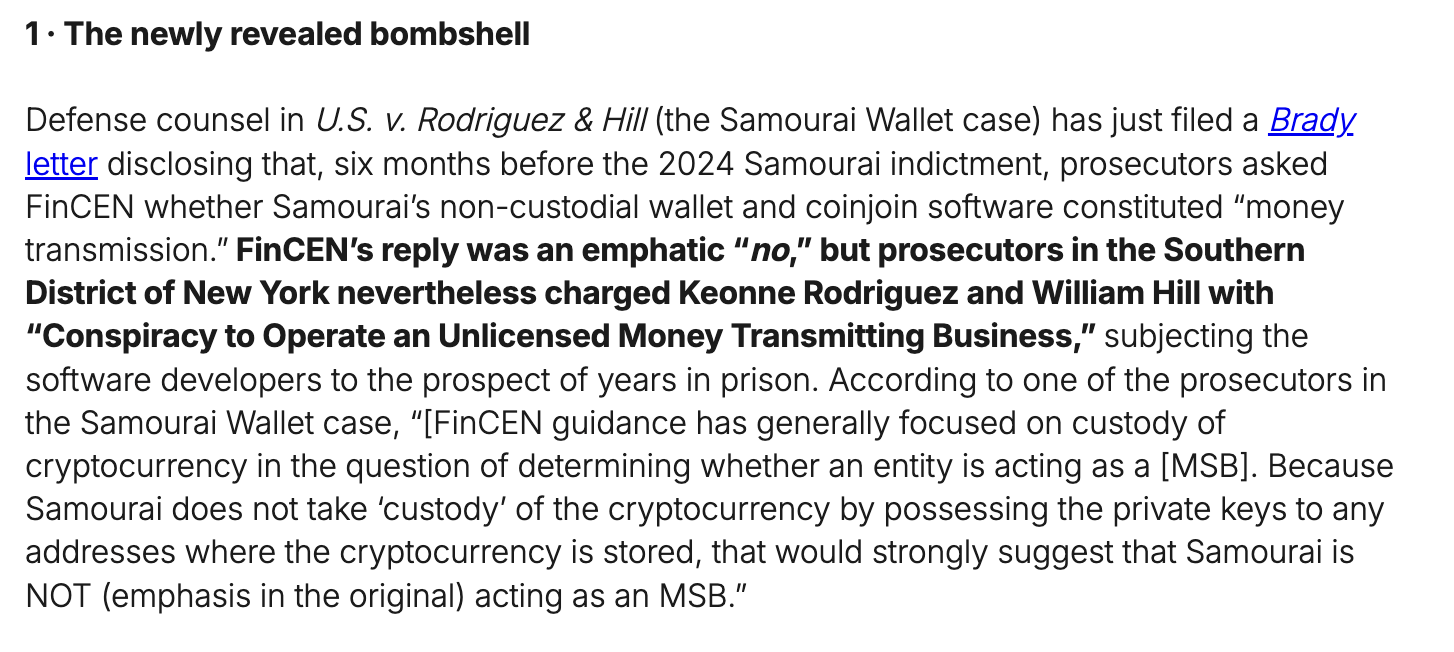
Even if one believes certain privacy-enabling activities should be regulated or prohibited, it's deeply problematic when prosecutors secure convictions using charges that don't actually fit the conduct — especially when the relevant regulatory body explicitly said those charges shouldn't apply.
As the Bitcoin Policy Institute noted, this is "regulation by indictment, a clear example of retrofitting legal theory to reach a desired outcome."
The Broader Pattern
These aren't isolated incidents. They reveal a coherent, if unstated, vision for crypto's future in America.
While this administration's regulatory leaders seem perfectly comfortable with crypto as a speculative asset and vehicle for tokenization, so far they have appeared far less comfortable with crypto as a privacy technology.
This creates a fundamental tension. Privacy isn't some niche feature requested by a vocal minority. It's a foundational element of crypto's DNA. An industry that abandons privacy to secure regulatory approval is hollowing itself out, keeping only its speculative shell while discarding the substance that is crypto.
The prosecutions of Storm and Rodriguez aren't attacks on bad actors. They're attacks on the idea that privacy-preserving financial tools should exist at all.
 David Christopher Oct 16, 2025 • 7 min read
What We Can Do
Despite the President's embrace of the crypto industry, both in the capacity of his office and his personal business dealings, Trump's DOJ appointees are pursuing cases that actively endanger the long-term health of DeFi and the crypto industry's founding values.
What's perhaps most concerning is how cautious any public advocacy for these causes has seemed to be from our industry's leaders. Behind closed doors, the conversations may be different. But these recent rulings represent existential threats to values the industry holds dear — and they've been proceeding largely without the vocal opposition and public lobbying that accompanied, say, the fight over SAB 121 or the push for ETF approval.
For those with the ear of the U.S. President, this is a cause worth expending political capital on.
Make no mistake, the crypto industry's positioning has improved vastly under President Trump's second term compared to the Biden administration. But if his self-directed title of "America's First Crypto President" is to hold, the President's DOJ appointees need to end their war on crypto privacy developers and stop relying on Biden era legal tactics to score convictions.
The cases against Storm and Rodriguez are still active. The precedents being set now will shape what's possible for the next decade.
Speak up – and pressure our industry's leaders to do the same.
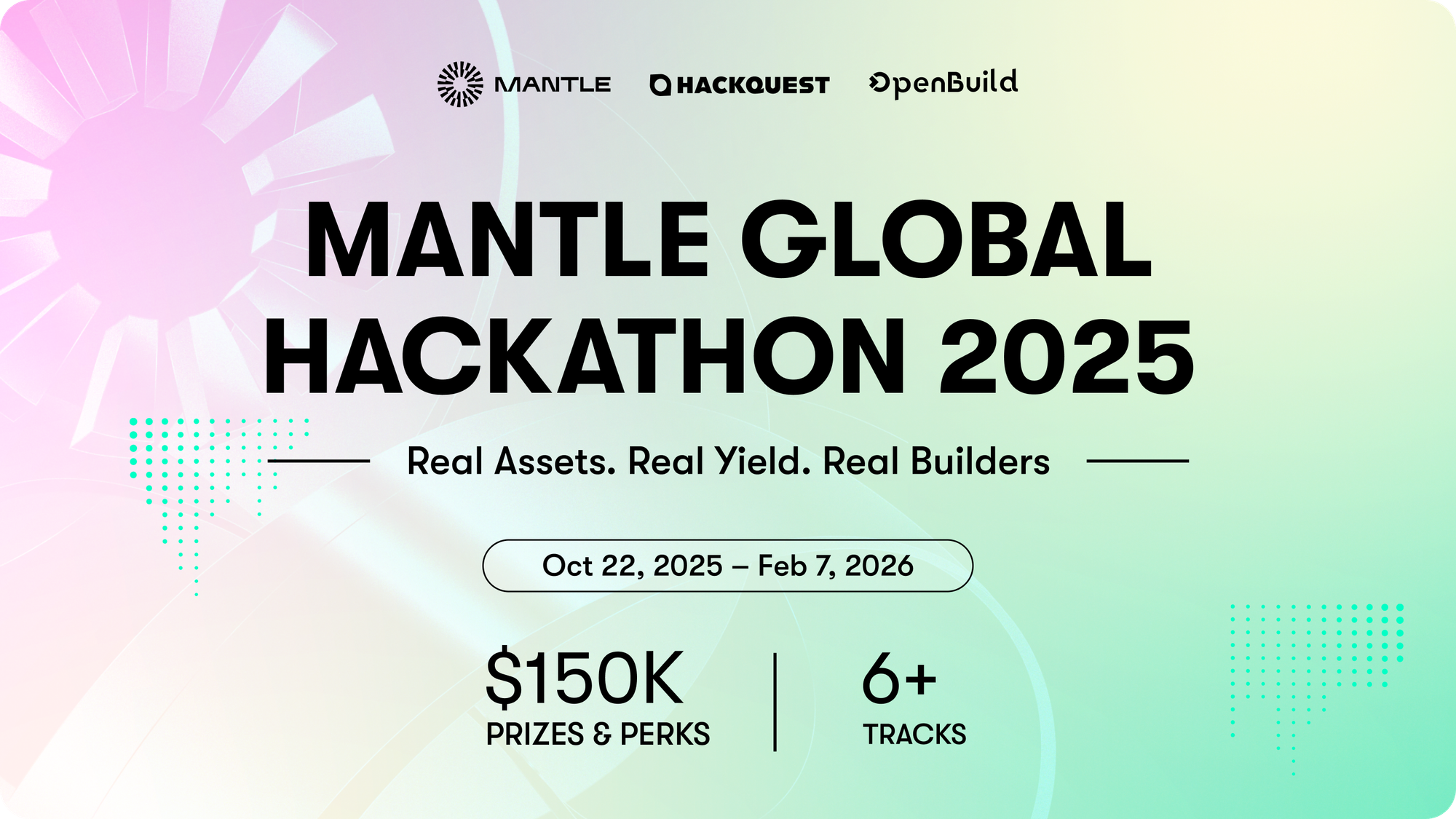
Mantle Global Hackathon 2025: Mantle has entered a new phase in its roadmap – becoming the distribution layer to connect TradFi and onchain liquidity for RWAs where real-world finance flows. To accelerate this vision, Mantle launched the Mantle Global Hackathon 2025, running from October 22 to December 31, 2025, inviting developers, founders, and innovators to design, build, and deploy scalable RWA and DeFi products on Mantle.
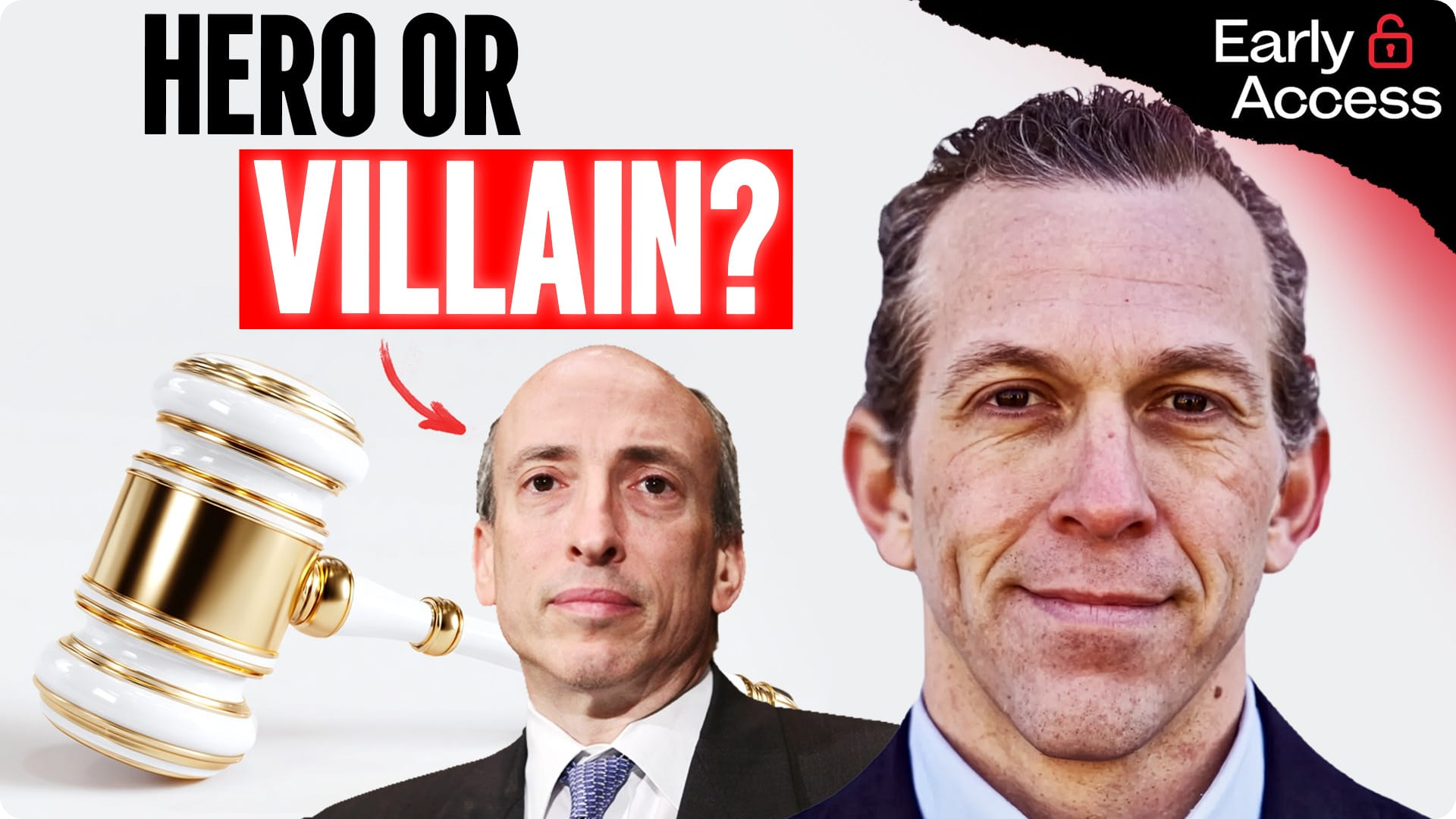
What was really happening inside the SEC during the Gensler years?
Today, we sat down with Corey Frayer, former senior crypto policy advisor to SEC Chair Gary Gensler.
We dig into how the agency thought about securities law, DeFi, Uniswap, stablecoins, SAB 121, and why platforms like Coinbase and Kraken ended up in the crosshairs. Corey defends the Gensler playbook while responding to the industry’s harshest criticisms, from “regulation by enforcement” to claims of a political war on crypto.
Listen along to the full episode 👇