The Aave DAO Civil War

View in Browser
Sponsor: Mercuryo — Infrastructure powering the crypto economy.

- 💸 Trump Attacks Banks, Urges Passage of Crypto Clarity Act. After meeting Coinbase CEO Brian Armstrong, Trump urged Congress to pass the Clarity Act, accusing banks of blocking stablecoin yield.
- 🧘 Vitalik: Ethereum Should Be 'Sanctuary Tech.' Vitalik published what amounts to a moral manifesto for Ethereum's current moment.
- 💰 Kraken Wins Fed Master Account, in First for Crypto-Native Firm. The centralized exchange will gain direct Fedwire access, no longer forcing the firm to operate through a third party.
| Prices as of 6pm ET | 24hr | 7d |

|
Crypto $2.48T | ↗ 6.3% | ↗ 5.0% |

|
BTC $72,814 | ↗ 6.7% | ↗ 6.4% |

|
ETH $2,135 | ↗ 7.7% | ↗ 2.9% |

Few DAOs have had a larger role in DeFi’s rise than Aave, but today one of Ethereum’s most influential lending apps finds itself locked in a bitter internal struggle over how the decentralized protocol is governed.
Although AAVE held up relatively well through February, price strength did little to shield the protocol from escalating governance turmoil. A wave of high-profile departures in recent weeks, driven by mounting concerns over centralization, has rattled the community surrounding DeFi’s largest lending platform.
Today, we’re unpacking the ferocious war waging within Aave DAO in hopes of better understanding the potential implications for Aave and its depositors. 👇
Governance Grievances
Like other battle-tested DAOs, there are some deep-seated dynamics at play in the current saga between Aave Labs (the centralized developer that created the lending marketplace) and Aave DAO.
The dramatic dispute seemed to start in earnest toward the tail end of 2025, when AAVE token holders voiced dismay after learning that Aave Labs was receiving revenue from an in-app token swap widget. Backlash to the perceived encroachment into DAO revenues led to efforts to grant the DAO control over Aave’s IP – efforts that were hastily squashed.
Fast forward two months and Labs proposed the “Aave Will Win” framework, which would transfer IP to the foundation with one major string attached. Under “Aave Will Win,” Aave DAO would make a record-breaking $33M transfer to Aave Labs ($25M cash and 75K AAVE) to fund various costs, including the development of its next-generation V4 marketplace. Aave Labs promised to transfer 100% of its future product revenues to the DAO.
 Jack Inabinet Feb 12, 2026 • 1 min read
Although the proposal elicited immediate governance controversy – Aave Chan Initiative founder Marc Zeller criticized it as raiding one-quarter of the DAO's treasury while promising undefined and intangible future revenues – the market initially cheered, responding with a 20% price pump for AAVE over the subsequent two days.
AAVE’s pump, however, began reversing slowly by day three.
Major Departures
The situation further deteriorated one week later, when core Aave V3 code contributor BDG Labs effectively “rage quit” the DAO, announcing it would not renew its services contract once the current agreement expires in April.
In explaining its decision, BDG blamed centralization concerns, noting Aave Labs' absolute control over the Aave brand name, immense influence in protocol governance, and adversarial attitude toward Aave V3 (BDG claims Aave Labs wants to replace V3 with an internally developed V4 that Aave Labs alone has developed without outside collaboration).
While BDG did propose an optional two-month security retainer, the abrupt departure of one of the most influential coding groups within the Aave ecosystem was sufficient to trigger alarm bells throughout the crypto industry.
 Jack Inabinet Feb 20, 2026 • 1 min read
The conflict has continued to escalate into the month of March.
Following the successful passage of the “Aave Will Win” temperature check over the weekend with a slim 52% margin of support, long-standing Aave governance advocacy group Aave Chan Initiative (ACI) decided that it too will shut down.
In a submission posted to the Aave Governance forum, ACI founder Marc Zeller declared that his eight-person team will not seek renewal of its Aave DAO contract and intends to gradually wind down operations over the next four months.
Zeller cited similar centralization grievances as BDG Labs, further accusing deceptive usage of Aave Labs-associated wallets to pass the “Aave Will Win” temperature check.
And that's where we're at now.
 Jack Inabinet Mar 3, 2026 • 1 min read
What's Next for the DAO?
Despite calamity within Aave’s governance processes, the core protocol itself remains fully operational and all incentive programs are expected to continue uninterrupted.
Meanwhile, Aave's many users appear relatively unfazed by governance grievances, too. Total value locked and active loans have remained little changed since the departure of key community stewards began in February.
Although the departures of BDG Labs and ACI pose no immediate security risks, the groups' centralization concerns are worth watching closely. An Aave DAO controlled by a single group could more easily list collateral that serves its interests rather than those of lenders, posing a textbook principal-agent problem.
Whether this episode proves to be temporary governance turbulence or the beginning of deeper structural centralization may ultimately determine Aave’s future success and the success of the DAO model itself.

If you're building in crypto, your users need a way in — and a way out. Mercuryo's on- and off-ramp infrastructure is trusted by leading wallets and platforms to move money fiat to crypto and back in seconds. White-label ready, globally licensed, and built for scale.
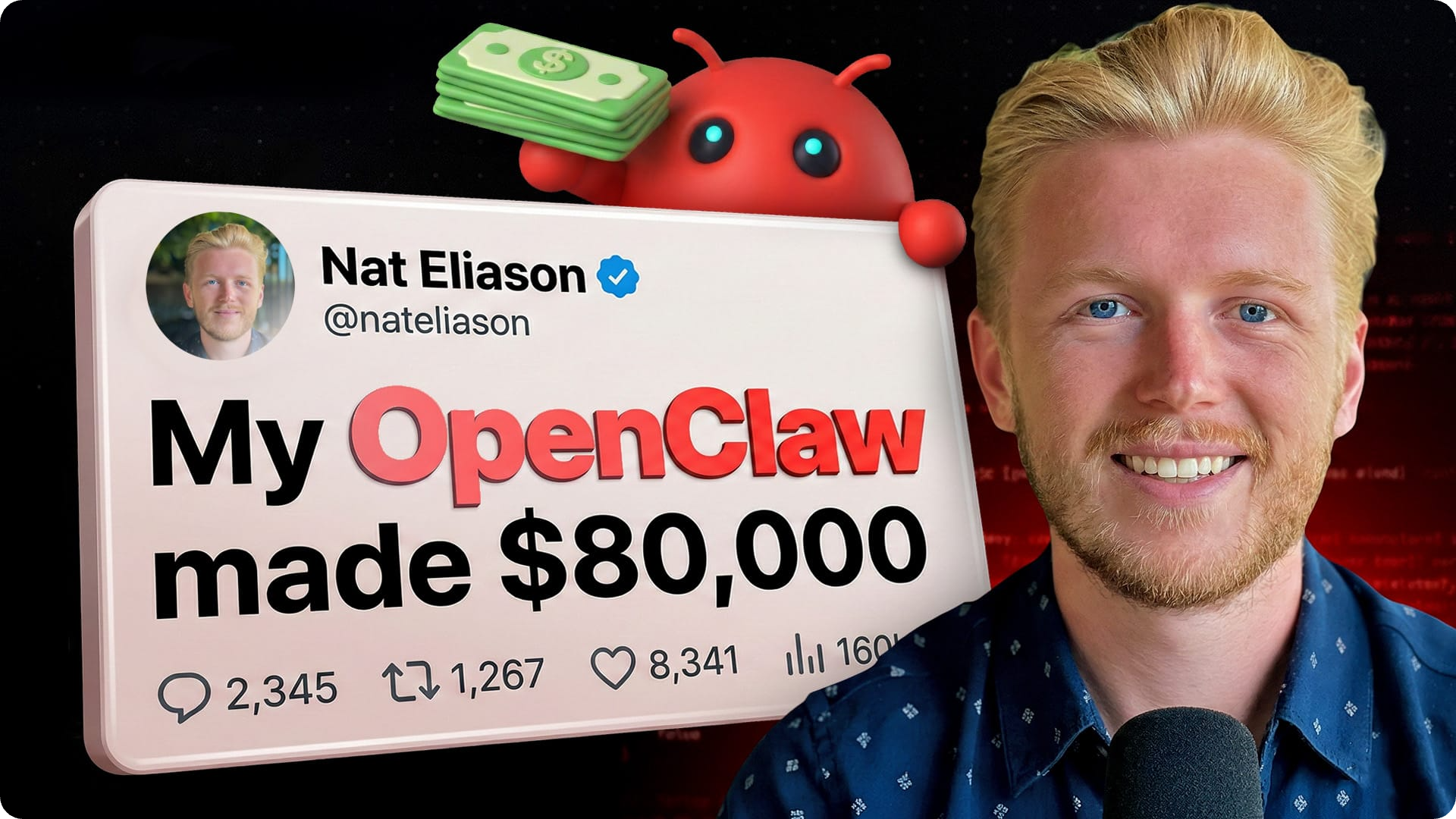
Nat Eliason joins to show what it looks like to build a “zero human company” with OpenClaw agents — led by Felix, an AI CEO that ships products, runs ops, and even manages other agents for support and sales.
We unpack how Felix went from an overnight info product to a full marketplace for agent “skills” (Clawmart) and a bespoke service that deploys custom OpenClaw employees for real businesses, hitting nearly $80k in revenue since early February while operating on surprisingly low monthly costs.
Tune into the full episode 👇
Not financial or tax advice. This newsletter is strictly educational and is not investment advice or a solicitation to buy or sell any assets or to make any financial decisions. This newsletter is not tax advice. Talk to your accountant. Do your own research.
Disclosure. From time-to-time I may add links in this newsletter to products I use. I may receive commission if you make a purchase through one of these links. Additionally, the Bankless writers hold crypto assets. See our investment disclosures here.