Ethereum’s Incredible Position
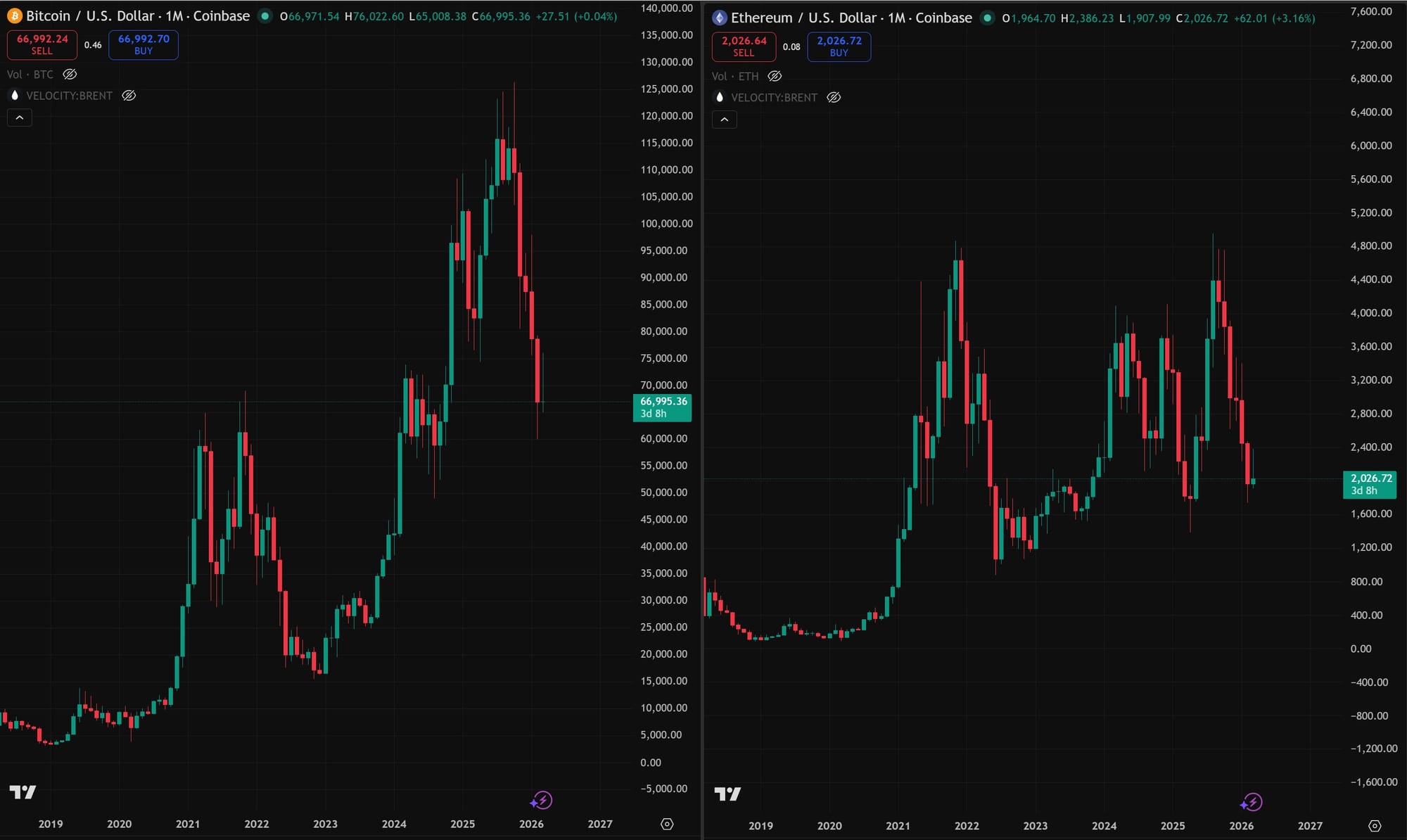
Look – I don’t like the prices right now either.
Sub-$2,000 ETH in 2026 is not what I thought would happen.
Instead, what’s happening is a macro environment that Ethereum has explicitly built defenses against.
Two things are defining this moment:
- Bear Market Apathy
- The Quantum Threat
Bear Market Irrelevance
When the tide washes out, things die.
Gone are the days of easy money, persistent interest in new L1s, and the speculative fervor needed to bootstrap otherwise unnecessary projects. We are no longer in one of those eras, and the industry’s malaise reflects a growing fear that they may be gone for good.
Things may never be easy again.
But Ethereum was never built with a dependency on easy times. Ethereum is built around resilience, and we are in an era in which resilience is paramount.
If a blockchain is not relevant by now… it's probably too late.
Bitcoin and Ethereum have made it… and probably Solana too, but even Solana depends on strength in retail and consumer crypto to protect its fiefdom. Memecoins represent >50% of Solana Application revenue and imo the durability of memecoins as the thing that supports a chain doesn’t exactly exude ‘resilience’ to me.
And then there's Hyperliquid, which deserves credit as the only ecosystem still growing.
That’s kinda it.
Meanwhile, Ethereum’s L2s are protected by Ethereum’s resilience. As we know, the L2 business model is the greatest business model in the industry. Ethereum pays for your security, and all you have to do is ensure you're providing some market value – the bare minimum requirement to survive.
Lately, I’ve been focused on ZKsync's progress – especially its Prividium design and its work with banks on an Ethereum-settled intranet, along with a BitGo partnership for tokenized deposits. Prividium gives the banks all the banky stuff they need (privacy, control, scale), without compromising on all of the blockchain stuff.
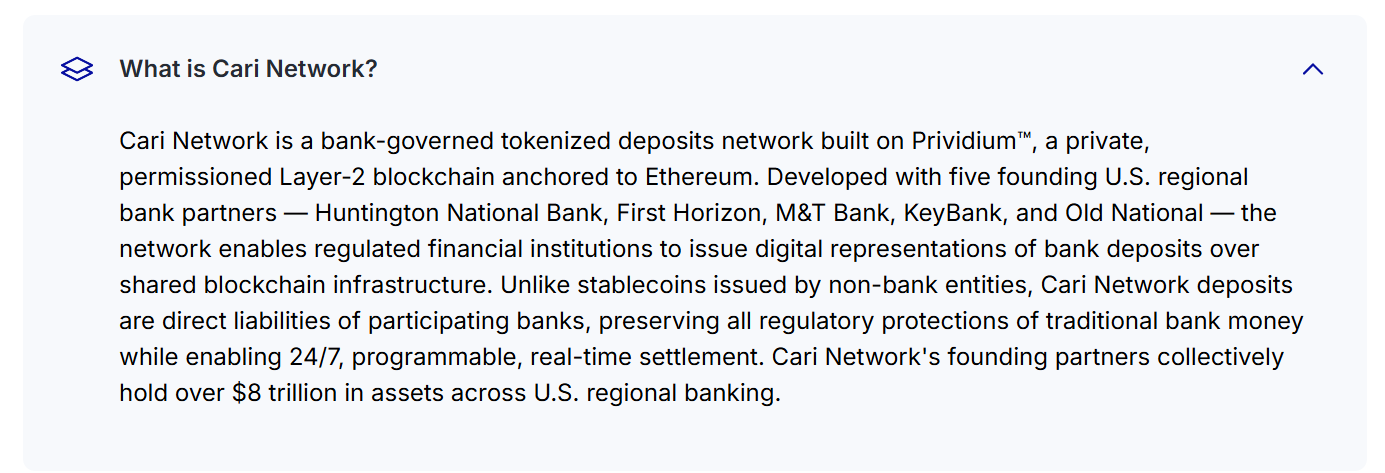
The point I want to make is: Ethereum’s L2s have the flexibility and sustainability they need to build the “blockchain-not-bitcoin” tech stack that TradFi is historically so obsessed with – while still remaining on the public, permissionless, interoperable rails of Ethereum.
This L2 narrative sits alongside a notable surge in Ethereum L1 adoption over the past few months:
- BlackRock:
- 2026 Thematic Outlook: “Ethereum underpins 65% of tokenized assets and could become a "toll road" to blockchain-based markets.”
- Staked Ethereum ETF (ETHB)
- JPMorgan:
- MONY Tokenized Money Market Fund on Ethereum
- JPM Coin (JPMD) Deposit Token on Base
- DTCC: SEC No-Action Letter for Tokenization Services on Public Blockchains
- NYSE/ICE: Tokenized Securities Platform + Securitize Partnership
- Nasdaq: SEC Approval for Tokenized Securities Trading + Kraken Partnership
- Fidelity: FYHXX Tokenized Treasury Fund on Ethereum
- Goldman Sachs: GS DAP Platform with Ethereum Asset Bridge
- Franklin Templeton: BENJI/FOBXX on Ethereum
Some of these adoption gains are shared with Solana, so it’s not completely a slam dunk. But, the broader point is:
- There will be no new relevant L1s
- The utility value of a new L1 is going to be more economically sustainable in Ethereum’s L2 orbit
As more and more tokenized assets come to be deployed on the Ethereum L1, and therefore accessible across Ethereum's L2s, the utility value of being an L2 will also grow.
The Quantum Threat
Concern around quantum is accelerating.
Ethereum researchers have been thinking about quantum since the beginning – Ethereum simply has a very distant lead in becoming ‘quantum-resistant.’
So, zooming into the future, allow me to make a couple assumptions:
1) Ethereum is the first blockchain to overcome the monumental challenge of quantum-proofing itself. It does this by identifying the problem early, acting quickly, and relying on nimble governance.
2) Not all blockchains clear this hurdle, and as a result they become extremely vulnerable places to store money and wealth.
In this world, I see investor and platform confidence in Ethereum reaching new heights.
The BIG question of the industry is whether Bitcoin clears this hurdle. There are solid reasons on either side, but even if Bitcoin addresses its most solvable issues, a large share of existing coins remains quantum-vulnerable – and securing them would likely require a move that is perceived as a major violation of Bitcoin’s social contract.
So even in the best case scenario for Bitcoin, I expect Ethereum to achieve a higher comparative level of investor and market confidence for not having to publicly struggle with these challenges in the first place.
To put it simply, the whole quantum threat to the crypto industry will result in a very good look for Ethereum. Given the elegant and stress-free navigation of Q-Day, Ethereum will simply look good.
Ethereum Looks Good Here
As I said above, this isn’t the market we wanted.
There’s a lot of boomer stuff happening, and the ratio of suits to tee-shirts in crypto has never been worse.
But Ethereum was built to excel in this market environment. On the other side of this, Ethereum will come out incredibly well-positioned to say the least.